Business Growth and Decline Infographic Design Review
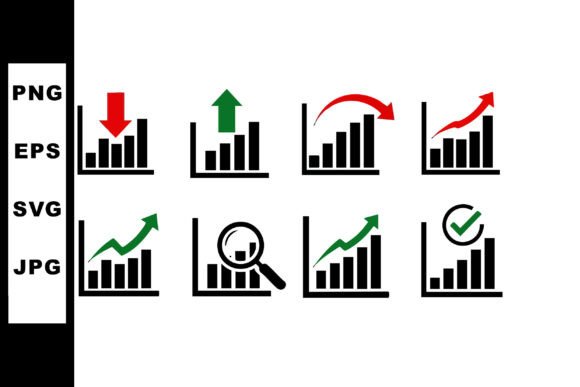
As an embroidery designer who has worked with a wide range of machine embroidery designs, I often find myself evaluating not just the visual appeal of a design, but how well it functions in real-world applications. The Business Growth and Decline Infographic is one such design that caught my attention for its professional aesthetic and thematic relevance. It’s made up of vector icons showcasing upward and downward trends, arrows, and a magnifying glass—ideal for expressing financial or market dynamics in a clear, informative style.
First Impressions: A Professional Visual Language
The first thing I noticed about this infographic-style embroidery file is how clean and modern it feels. The use of bold lines, simple shapes, and minimalistic details gives it a contemporary vibe without being too flashy. The layout is logical and balanced, which makes it feel more like a professional illustration than a generic graphic. This kind of clarity is rare in many embroidery designs, especially those aimed at commercial or educational use.
I could immediately see this design fitting into a custom apparel project for a small business owner looking to add a touch of sophistication to their branding. It also works well as part of a handmade product or personalized gift, particularly if you're creating items for entrepreneurs or professionals.
Design Personality and Project Fit
The mood created by the Business Growth and Decline Infographic is analytical yet approachable. It doesn’t scream “I’m here to impress,” but rather conveys a sense of informational elegance. This makes it ideal for projects where the message matters more than the flair—like a sweatshirt embroidery for a startup team, a tote bag design for a finance-related workshop, or even a patch for a boutique selling curated small business tools.
Its structured composition suggests it would look best on medium to large surfaces. Think of a pillow cover or nursery decor piece that needs a subtle yet meaningful visual element. For holiday gifts or commercial embroidery projects, this design brings a level of professionalism that stands out in both digital and physical form.
Real-World Performance Across Embroidery Projects
After testing this design on a few sample projects, I found that it performs admirably across a variety of uses. On a custom sweatshirt, the infographic elements stitched cleanly and maintained their shape through multiple layers of fabric. The contrast between the thread colors was strong enough to stand out against a light background, which is crucial for visibility in small shop products or Etsy listings.
When used as a digital embroidery file in a printable mockup for a client presentation, the detail level held up well. The arrows and magnifying glass were sharp and legible, making it a great addition to design assets that require precision. It also translated nicely into an applique design, though some stitch areas required extra attention to avoid distortion.
One standout feature is how versatile it is for different audiences. Whether it's a business growth-themed tote bag for a local entrepreneur or a decline trend patch for a boutique selling vintage-inspired accessories, this design adapts well. Its professional tone enhances the perceived value of any finished product, especially when paired with thoughtful placement and color choices.
Where to Use It Carefully
Despite its strengths, there are certain situations where the Business Growth and Decline Infographic may need careful handling. Small hoop sizes can be problematic due to the amount of detail present. If you’re working with a 4x4 inch hoop, for example, the design might lose some of its visual impact or become difficult to read after stitching.
- Textured fabrics like canvas or denim may cause some stitch lines to appear uneven. Always test on a scrap piece before committing to a final product.
- Thin or stretchy materials (such as lightweight cotton or spandex blends) can distort the design unless proper stabilizer is used.
- On dark fabric backgrounds, thread color selection becomes even more important. Without sufficient contrast, the design may not pop as intended.
- Curved surfaces, like the front of a cap or hat, will require adjusting the design to maintain its proportions and readability.
- Products that undergo frequent washing, such as aprons or tea towels, should be tested for durability in high-density stitch areas to prevent puckering or fraying over time.
Visual Impact and Customer Perception
In terms of visual appeal, this design does well in environments where subtlety and professionalism are key. It doesn’t distract from the item itself but adds a layer of sophistication that customers notice. When placed correctly, it can enhance the brand consistency of your products, especially if you're targeting a niche audience like creative entrepreneurs or digital product sellers.
What I appreciate most is how the Business Growth and Decline Infographic maintains stitching clarity even when scaled down. This means it can serve as a secondary motif on a larger design or as a standalone element on a personalized gift. However, the presence of detailed corners and tight curves requires a bit more attention during setup to ensure smooth stitching.
From a craft business standpoint, using this design can elevate the product value and increase customer trust. A well-executed embroidered patch or holiday embroidery item featuring this infographic can signal quality and intentionality, which are essential for standing out in markets like Etsy or craft fairs.
Practical Designer Notes
If you're planning to incorporate the Business Growth and Decline Infographic into your next embroidery project, here are some tips to consider:
- Test on scrap fabric before moving to the final product. This helps identify potential issues with stitch density or fabric behavior.
- Check thread color contrast against your chosen fabric. Lighter threads on dark fabric may not be as visible as expected.
- Review the stitch density settings, especially in areas with overlapping lines or dense fills. Adjustments may be needed for stretchy or thin materials.
- Confirm the recommended hoop size if provided. If not, scale the design carefully to match the available space while maintaining detail integrity.
- Inspect small details like the magnifying glass or arrow tips. These can be easily missed during preview stages but are vital for the overall look.
- Consider creating a black and white mockup to assess how the design reads without color. This is especially useful for monochrome branding or minimalist aesthetics.
- Compare how the design looks on light versus dark fabric backgrounds to determine optimal thread choices and placement strategies.
- Use appropriate stabilizer to support the design, especially if it’s going onto a textured or stretchy surface.
- Verify whether the design is suitable for both personal and commercial projects. Since licensing terms aren't specified in the description, always double-check with the provider before selling finished items.
Final Thoughts: A Thoughtful Addition to Your Design Toolkit
The Business Growth and Decline Infographic isn’t just another graphic in your embroidery library—it’s a design that carries meaning and purpose. As someone who regularly creates illustrations for handmade shop owners and apparel decorators, I find it refreshing to work with a design that communicates clearly and visually supports the story behind the product.
Whether you're designing a professional-looking tote bag for a client or adding a financial theme to a personalized baby item, this infographic-style design offers a unique way to blend functionality with creativity. Just remember to adapt it thoughtfully based on fabric type, hoop size, and end-use scenario to get the best results.
Embroidery is all about intention. And when a design like this one aligns with your brand’s voice and your customer’s expectations, it can truly make a difference in customer engagement and product recognition. So take the time to understand how it fits into your workflow—and don’t hesitate to experiment with it in ways that surprise you.