Process Labels for Infographic Report Graphics: A Seller’s Review
As someone who has spent years curating and selling digital design assets, I’ve come across a lot of graphics that promise to elevate your product listings. Process Labels for Infographic Report. C caught my eye because it’s positioned as a clean, commercial-ready illustration set with a specific focus on infographic elements. Let me walk you through how this asset feels in practice, what kinds of products it works well with, and the key things to check before using it in your shop.
First Impressions and Niche Appeal
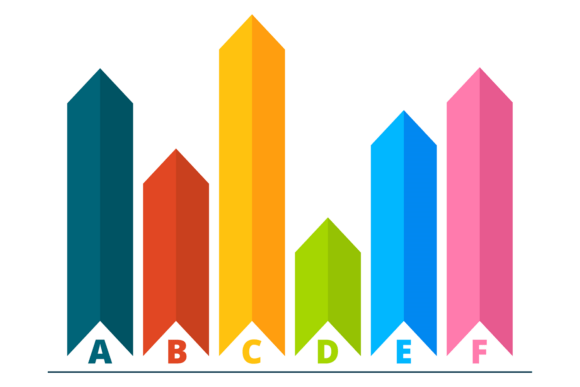
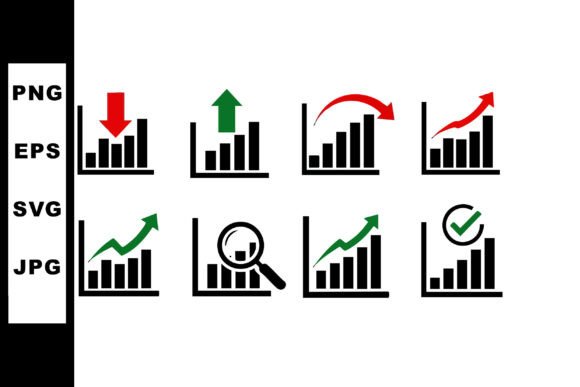
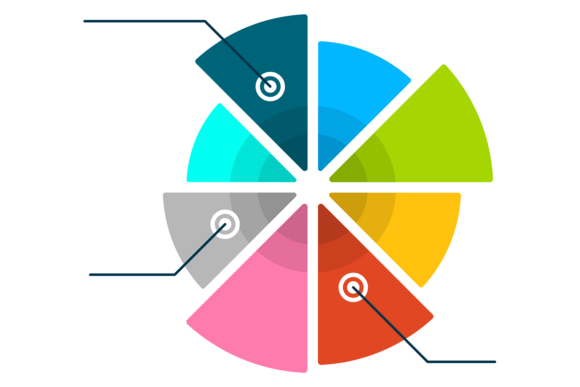
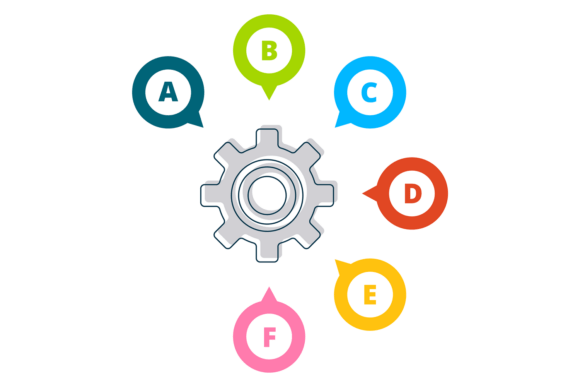
The first thing I noticed about Process Labels for Infographic Report. C is its modern and structured aesthetic. The color gear element isolated on a white background gives it a crisp, professional look that screams "business-friendly" and "data-driven." This isn’t a whimsical or decorative style—it leans into clarity and visual hierarchy, which makes it ideal for sellers targeting educational content creators, small business owners, and professionals looking to add visual flair to reports, presentations, or templates.
I’d say this graphic falls into the commercial illustration category, with a strong emphasis on infographics. Its tone is more corporate than creative, but it still has enough versatility to be used in a variety of contexts. It doesn’t feel overly technical, either—there's a nice balance between informative and approachable. That means it can work for both B2B and B2C audiences, depending on how you package it.
Product Use Cases for Digital Sellers
If you're an Etsy seller or Canva template creator, here are some real-world applications where Process Labels for Infographic Report. C could shine:
- Printable Wall Art: These labels can be part of a larger infographic-style poster, especially if you're targeting productivity themes or workflow visualization.
- Planner Stickers: Ideal for labeling sections like project timelines, task steps, or goal tracking in digital or printable planners.
- Greeting Cards and Invitations: For businesses offering motivational or milestone cards (e.g., graduation, promotion), these labels add a touch of professionalism.
- T-Shirt and Tumbler Graphics: If your brand focuses on tech, education, or productivity, this graphic can serve as a subtle yet meaningful design element.
- Canva Templates: Perfect for adding structure to social media posts, blog headers, or presentation slides that need clear visual markers.
- Cricut Projects: As long as the SVG file is well-structured with clear cutting lines, this could be great for layered stickers or vinyl wall art.
- Digital Paper Packs: Works well in cohesive sets focused on process mapping, project management, or educational tools.
What stands out is how easily it can slot into a theme without overwhelming it. It’s not a loud design—it’s there to support and clarify, which is exactly what good infographic elements should do.
Testing Before You Publish
Before including Process Labels for Infographic Report. C in any marketplace listing or print-on-demand product, I recommend doing the following:
- Preview on Mockups: Place the design on large mockups of notebooks, t-shirts, or posters to see how it scales and holds up visually.
- Thumbnail Test: Resize it down to thumbnail size to ensure it remains legible and appealing at smaller dimensions.
- Background Contrast: Try overlaying it on both white and dark backgrounds to confirm visibility and adjust accordingly.
- Print Quality Check: Print a sample on paper and fabric to verify how the colors translate and whether the edges remain sharp.
- SVG Cutting Accuracy: If you’re using it for Cricut or Silhouette projects, inspect the SVG paths to ensure they cut cleanly without overlap or gaps.
- Transparency Integrity: Open the transparent PNGs in different design apps to make sure they don't bleed or have unwanted artifacts.
- Font Pairing: Test the labels with various typefaces—serif, sans serif, script, and display fonts—to find the most readable and stylish combinations.
- Licensing Confirmation: Always double-check the commercial license included with the asset to avoid any legal issues when reselling finished products.
This level of preparation is essential for maintaining a professional appearance and ensuring customer satisfaction. Small details like file resolution and transparency can make or break a design’s usability, especially when customers expect high-quality results.
Where This Asset Truly Shines
Here are the top areas where I believe Process Labels for Infographic Report. C will deliver the most value:
- Large Product Previews: Because of its clarity and detail, it looks best when given ample space to breathe.
- Themed Design Bundles: It fits perfectly into collections around productivity, business planning, or educational materials.
- Decorative Layouts: When paired with other minimalist illustrations, it enhances the visual storytelling aspect of your designs.
- Printable Products: From worksheets to signage, these labels maintain their integrity in print formats.
- Merchandise Graphics: Especially for sublimation mugs or tumblers, where the label needs to stand out against a solid background.
- Social Media Promos: Use them to highlight key points in blog banners or Instagram carousel posts aimed at entrepreneurs or educators.
- Marketplace Listings: Whether on Etsy or Creative Fabrica, a consistent layout using these labels can improve your shop's perceived professionalism.
One of the strengths of this asset is its adaptability within a broader design system. It’s not just a standalone graphic; it’s a building block for creating organized, branded, and trustworthy-looking product offerings.
Caution Zones for Designers and Sellers
While this graphic is versatile, there are scenarios where it might not perform as expected:
- Tiny Details: Avoid using the gear element as a micro-sticker or accent in complex layouts where it could get lost.
- Overly Busy Designs: If your template already includes many icons or text blocks, adding these labels might clutter the composition.
- Low-Resolution Outputs: Make sure to only use high-res JPG or EPS files for printed products—lower quality versions won’t reflect well.
- Crowded Thumbnails: In marketplace environments, too much going on in a preview image can reduce click-through rates. Keep it simple.
- Dark Backgrounds: While possible, the contrast may require adjustments to maintain legibility and impact.
- Text-Heavy Templates: These labels work best when supporting visual information—not competing with dense paragraphs.
- Complex Cut Files: If the SVG contains overlapping layers or intricate paths, test it thoroughly before promoting it for Cricut or Silhouette users.
Being aware of these limitations helps you position the asset correctly and avoid misleading customers about its capabilities.
Boosting Brand Consistency and Perceived Value
For small business branding, especially in the handmade or digital download niches, consistency is key. Process Labels for Infographic Report. C offers a way to maintain a uniform visual language across your products. By using these same labels repeatedly in your product bundles, you reinforce your brand identity and create a sense of cohesion that customers notice—and trust.
Additionally, the clean and intentional design contributes to the perceived value of your products. Even if you're selling a basic planner template, incorporating well-designed illustrations can make it appear more premium and professionally crafted. This is particularly useful for sellers trying to differentiate themselves in crowded marketplaces like Etsy or Creative Fabrica.
Wrapping Up with Real Shop Integration Tips
In my experience, the success of a graphic design asset often depends on how seamlessly it integrates into existing workflows and product lines. Here are a few tips based on my review of Process Labels for Infographic Report. C:
- Use it in illustrations that help explain processes or steps clearly, such as in workflow diagrams or tutorial templates.
- Create a graphics bundle that includes multiple infographic elements for a more comprehensive offer.
- Consider pairing it with handwritten or script fonts to add personality while keeping the labels clean and functional.
- When packaging as a digital product, include layered PSD or AI files so advanced users can customize the design further.
- For print-on-demand items, always provide mockup previews showing how the design looks on actual merchandise.
Overall, Process Labels for Infographic Report. C is a solid addition to any designer’s toolkit—especially those focusing on educational, productivity, or business-oriented content. Just take the time to test it in your intended use cases and make sure it aligns with your target audience’s expectations.
A Practical Perspective from the Trenches
Let me share a quick example from my own workflow. I recently added a similar set of infographic labels to a line of Canva templates aimed at coaches and consultants. Within a week, the thumbnails felt more dynamic, and customers were commenting on how easy it was to follow the step-by-step visuals. It wasn’t the star of the show, but it definitely helped build a stronger visual hierarchy and improved the overall design assets available in the collection.
If you're working on a new graphic design asset line or updating your creative marketplace listings, I recommend giving this one a trial run. It might not be flashy, but it does what it promises—supporting clarity and structure in infographic-style content. And in today’s fast-paced online selling environment, that kind of reliability is worth its weight in clicks.